


Achieving high flatness is one of the core goals in surface grinding. However, in actual production, many operators encounter a common problem—uneven workpieces after grinding.
This not only affects assembly accuracy but also increases rework costs and reduces product quality.
To solve this problem, we first need to understand its causes.
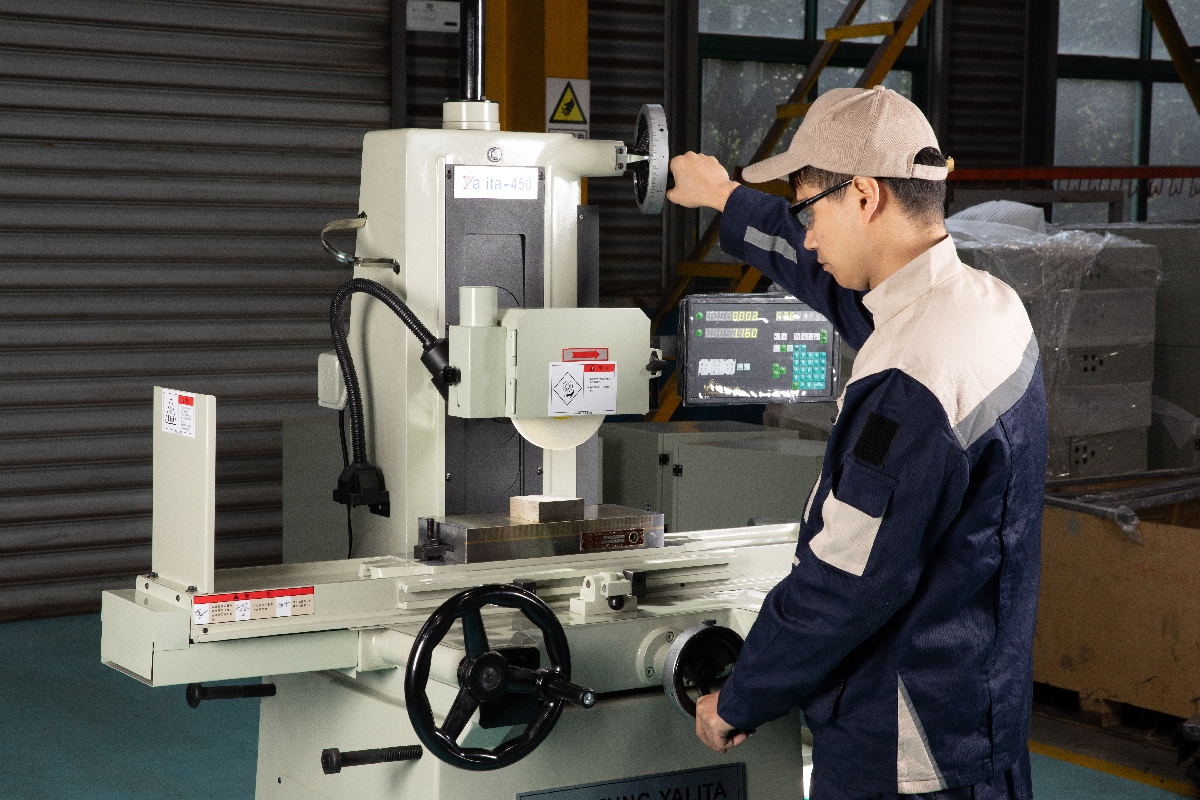
A surface grinder is a machine tool used to create flat surfaces. Its working principle is: the workpiece is placed on the grinding wheel of the grinder, and the rotation of the grinding wheel and the movement of the grinder grind the workpiece surface to obtain a flat surface.
The main components of a surface grinder include the grinder body, worktable, grinding stone, and fixtures.
The grinder body drives the grinding wheel to rotate through a motor. Under certain pressure, the workpiece surface is ground by the movement of the worktable, thus obtaining a flat surface.
Flatness refers to the deviation between the machined surface and an ideal plane. In precision machining, flatness is typically required to be controlled at the micrometer level.
Common precision standards are as follows:
| Application Scenarios | Flatness Requirements |
| Ordinary Parts | ≤ 0.01 mm |
| Precision Parts | ≤ 0.005 mm |
| High-end Molds | ≤ 0.002 mm |
If the processing result does not meet these standards, it indicates a problem.
Flatness problems are usually not caused by a single factor, but are the result of multiple factors combined.
The accuracy of the surface grinder is one of the important factors determining grinding accuracy. If the grinder itself has accuracy problems, it will directly affect the grinding result, resulting in an uneven workpiece surface.
Wear of the machine tool guideways or spindle deviation will lead to uneven material removal during grinding, thus affecting flatness.
The grinding wheel is the main tool for grinding. If the grinding wheel surface is uneven or worn, it will affect the workpiece flatness during grinding.
The condition of the grinding wheel directly affects the processing effect: an undressed grinding wheel, uneven wear, or poor dynamic balance will all lead to uneven grinding.
Uneven force on the workpiece on the electromagnetic chuck may cause deformation during machining, resulting in unevenness after grinding.
Loose clamping can lead to workpiece instability during grinding, resulting in an uneven workpiece surface. Therefore, the selection of the fixture and the correct clamping method are crucial for grinding accuracy.
Ambient temperature fluctuations affect machine tool accuracy—for example, machine tools expand in summer and contract in winter.
Without preheating or calibration, the relative position of the grinding wheel and workpiece may shift during grinding, leading to dimensional deviations.
The heat generated during grinding also causes expansion of both the workpiece and the machine tool, resulting in errors.
Grinding parameters include grinding force, grinding speed, and depth of cut. Inappropriate parameters can cause excessive or insufficient force on the workpiece surface, leading to unevenness.
For example, excessive depth of cut or excessive feed rate will affect machining stability.
After prolonged use, pits may appear on the guide rail surface, and the spindle may experience radial runout, similar to writing with a trembling hand, resulting in crooked and uneven handwriting.
Furthermore, unstable mains voltage can cause fluctuations in motor speed, leading to inconsistent grinding wheel cutting force and leaving "wavy" marks on the workpiece surface.
| Phenomenon | Possible Cause | Solution |
| Center Concave | Workpiece Deformation | Improve Clamping |
| Center Protruding | Grinding Wheel Wear | Dress Grinding Wheel |
| Surface Wavy Marks | Vibration | Inspect Machine Tool |
| Unstable Accuracy | Heat Affected Zones | Enhance Cooling |
To improve flatness, several aspects need to be addressed:
1. Appropriate Fixture Selection: Fixtures should be selected appropriately based on the workpiece material, shape, and size to ensure stable clamping and prevent uneven workpiece surfaces.
2. Regular Grinding Wheel Replacement: Due to the wear and uneven grinding characteristics of grinding wheels, regular inspection and replacement of grinding wheels are necessary to ensure grinding effectiveness and workpiece surface flatness.
3. Control Grinding Parameters: Grinding parameters, such as grinding force, speed, and depth, need to be selected appropriately based on factors like workpiece material and shape to ensure workpiece surface flatness.
4. Maintenance: Surface grinders require regular maintenance to ensure machine tool accuracy, thereby guaranteeing grinding accuracy and workpiece surface flatness.
In summary, firstly, ensure good machine tool accuracy and perform regular maintenance; secondly, keep the grinding wheel in good condition and dress it promptly; simultaneously, ensure stable workpiece clamping and keep the contact surfaces clean.
Furthermore, machining parameters should be set appropriately to avoid excessive cutting, and coolant should be used to control temperature.
Through the analysis of the working principle of surface grinders and the causes of workpiece flatness, we can see that the causes of workpiece flatness are diverse, requiring timely identification and resolution.
In actual production, we need to take corresponding measures based on specific situations to improve grinding efficiency and workpiece surface flatness.
The problem of unevenness in surface grinding is common but solvable. By systematically analyzing the causes and optimizing the process, machining accuracy and stability can be significantly improved.
Meanwhile, the precision and quality of the grinding machine are also crucial factors.
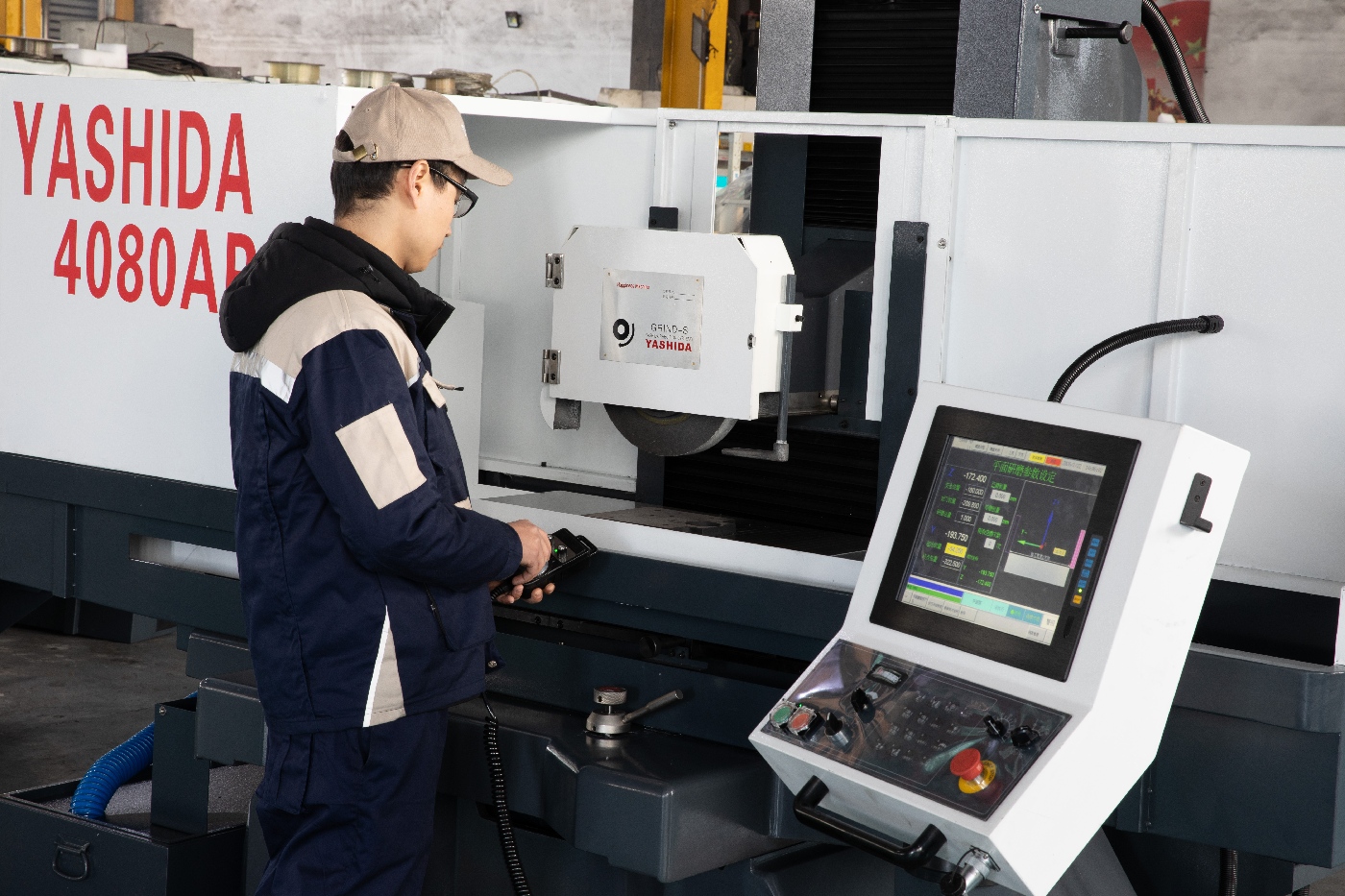
YASHIDA grinding machines offer grinding solutions with high precision (1-3 microns) and high flatness (≤RA0.2-0.3). Contact us for professional technical support and solutions.
Recommended surface grinding machines:
YASHIDA 3060AHD automatic surface grinding machine
YASHIDA 4080APS CNC surface grinding machine
How Accurate Can a High-Precision Surface Grinding Machine Be?
What Is Surface Grinding Machine used for?
How to Control Surface Roughness of High-precision CNC surface grinding machines?
Key Technical Parameters of Surface Grinding Machines: Which Indicators are Most Important?
How Roundness Is Achieved in centerless grinding
This website uses cookies to ensure you get the best experience on our website.
 Español
 Portugues
 Pусский
 العربية



 Phone
Phone
Comment
(0)