


Surface roughness is a crucial indicator in grinding processes. It not only affects the appearance quality of parts but also profoundly impacts product performance and lifespan.
Therefore, in-depth exploration of the key factors influencing surface roughness in grinding and corresponding improvement measures is of great significance for improving machining quality and optimizing production processes.
In industries such as automotive, aerospace, and mold manufacturing, achieving stable and excellent surface quality is essential.
This article will introduce practical methods for improving the surface roughness of ground surfaces.
Surface roughness refers to the microscopic unevenness of a machined surface, usually expressed by the Ra value.
The smaller the value, the smoother the surface. In precision grinding, a Ra value of 0.2–0.4 μm can typically be achieved, depending on the equipment and process optimization level.
To improve machining quality, we need to deeply analyze the factors affecting surface roughness in grinding and take corresponding optimization measures.
These factors include the selection of grinding process parameters, the quality and selection of the grinding wheel, the material and hardness of the workpiece, and the accuracy and stability of the grinding machine.
By properly adjusting these parameters and factors, we can effectively reduce surface roughness and improve the machining quality of parts.
The influence of grinding parameters on surface roughness is significant. These parameters include wheel speed, workpiece speed, depth of cut, and longitudinal feed rate.
Properly adjusting these process parameters can effectively control surface roughness. Feed rate: Lower is more beneficial for improving surface quality. Depth of cut: Smaller is more stable. Spindle speed should also be kept stable.
The grit size, hardness, and dressing method of the grinding wheel are key factors affecting the surface roughness of the machined surface.
The finer the grit size, the more abrasive grains per unit area, resulting in finer grooves on the ground surface and thus reducing surface roughness.
However, excessively fine grit can also cause wheel clogging, increasing surface roughness and even causing ripples and burns. Furthermore, the hardness of the grinding wheel is also important.
If the grinding wheel is too hard, the abrasive grains will not easily detach after wear, leading to severe friction and compression on the workpiece surface, increasing plastic deformation, thus improving surface roughness, and potentially even causing burns.
Conversely, if the grinding wheel is too soft, the abrasive grains will easily detach, weakening the grinding effect and also increasing surface roughness. Therefore, selecting the appropriate grinding wheel hardness is crucial.
The hardness, plasticity, and thermal conductivity of the workpiece material significantly affect surface roughness.
For example, soft materials such as aluminum and copper alloys are prone to clogging the grinding wheel during grinding, increasing grinding difficulty.
Heat-resistant alloys with high plasticity and poor thermal conductivity may cause premature abrasive grain breakage, thus increasing the roughness of the ground surface.
Machining conditions encompass multiple aspects, including grinding parameters, cooling conditions, and the precision and vibration resistance of the process system.
Grinding parameters specifically include grinding wheel speed, workpiece speed, depth of cut, and longitudinal feed rate.
When the grinding wheel speed increases, the propagation speed of plastic deformation in the surface metal may not keep up with the grinding speed, resulting in insufficient material deformation and a decrease in surface roughness. However, increasing the workpiece speed intensifies plastic deformation, thus increasing surface roughness.
Simultaneously, increasing the grinding depth and longitudinal feed rate also increases surface roughness due to enhanced plastic deformation. Furthermore, the use of cutting fluid can lower the temperature in the grinding zone, reducing burns, and flushing away fallen abrasive grains and chips.
Grinding wheel dressing is a crucial step affecting surface roughness. The purpose of dressing is to remove the dulled abrasive grains on the outer layer of the grinding wheel using tools such as diamond, keeping the cutting edges of the abrasive grains sharp and reducing surface roughness.
Proper dressing maintains sharp cutting edges, ensures a uniform grinding wheel surface, and reduces vibration.
Dressing tools are typically made of diamond, which is relatively brittle and susceptible to micro-cracks. Regular adjustment and maintenance are necessary to maintain their sharpness and efficiency.
Implementing a micro-dressing strategy and selecting an appropriate dressing depth is crucial to avoid problems such as wheel clogging and vibration during the dressing process.
Furthermore, proper cooling and tool tilt angles can improve dressing results; meticulous operation under overall control is essential.
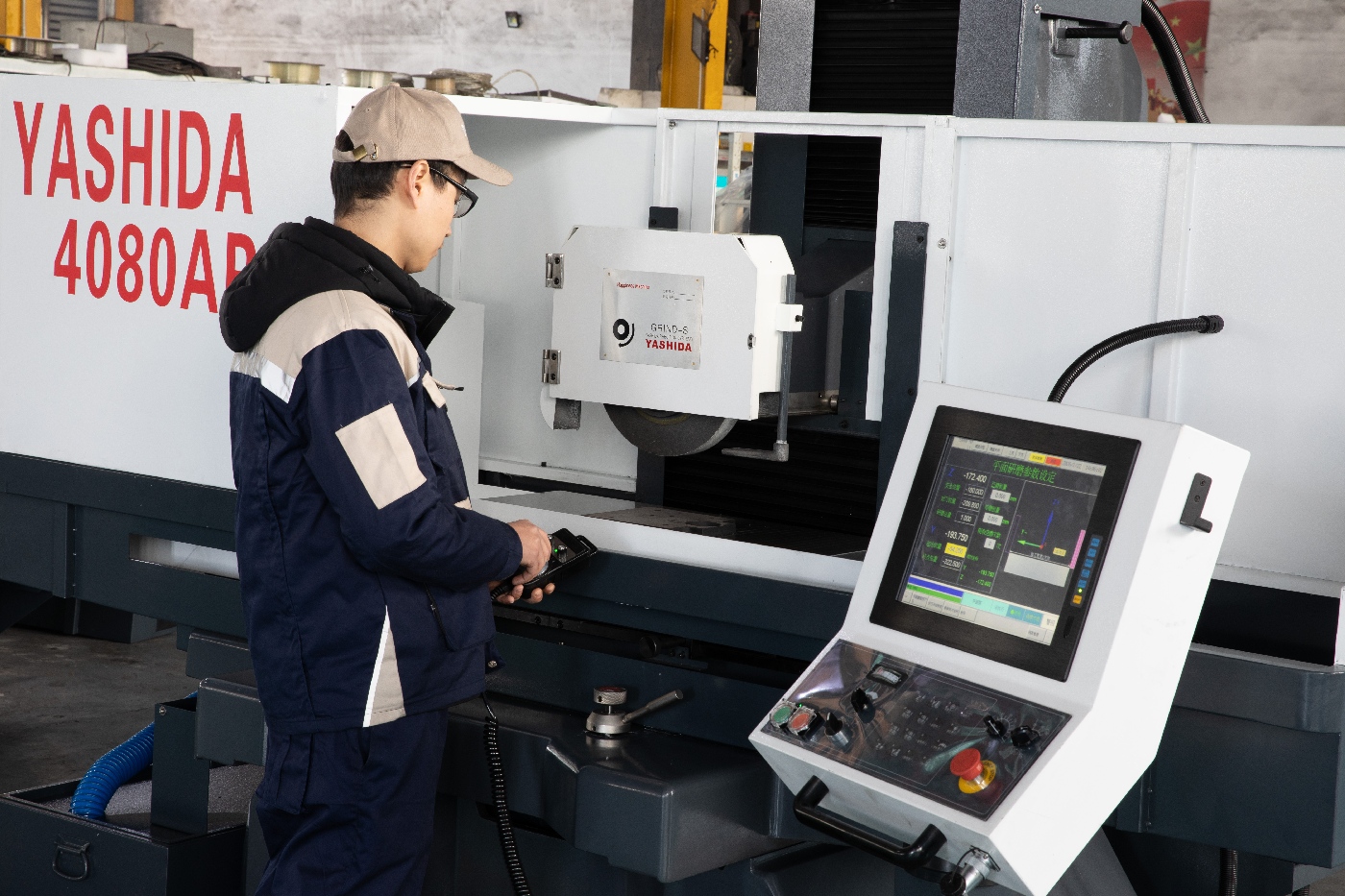
The geometric accuracy of a grinding machine, including the motion accuracy and relative positional accuracy of machine tool components, affects the final machining quality.
For example, radial runout and axial movement of the spindle affect the surface roughness of the workpiece.
The condition of the machine tool directly affects surface quality; therefore, we must improve the overall rigidity of the grinding machine, reduce vibration, and maintain spindle accuracy.
1. Rigidity and Thermal
Deformation Machine tool rigidity refers to its ability to resist deformation, while thermal deformation reduces the original geometric accuracy of the machine tool.
Therefore, to ensure the machining accuracy of precision grinding machines, it is recommended to use them in a constant temperature chamber.
2. Vibration Problems
Grinding machine vibration causes periodic changes in the relative position between the grinding wheel and the workpiece, severely affecting the machining quality of the workpiece.
The impact of vibration can be effectively reduced by carefully selecting positioning references, improving clamping methods, and correctly formulating grinding parameters and process flows.
3. Creeping Phenomenon of Moving Parts
During the operation of a grinding machine, moving parts such as the worktable and grinding wheel head sometimes exhibit creeping phenomena, i.e., uneven movement during micro-periodic feeds or low-speed traverses, thus affecting surface roughness.
During the grinding process, it is essential to use coolant appropriately. Coolant can lower the grinding temperature, prevent burning, and improve surface finish, thereby maintaining stable flow, pressure, and temperature.
When using a high-precision surface grinder, ensure stable workpiece clamping, keep the electromagnetic chuck contact surface clean, and prevent workpiece movement.
Avoid overheating in the working environment; control the ambient temperature and preheat before grinding.
For surface grinding equipment, regularly check the spindle accuracy, maintain the grinding machine guideways, and promptly replace worn parts.
Improving surface roughness during surface grinding requires comprehensive optimization of equipment, process parameters, and operation. Scientific control of key factors can significantly improve machining quality and stability.
Recommended High-Precision Grinding Machines:
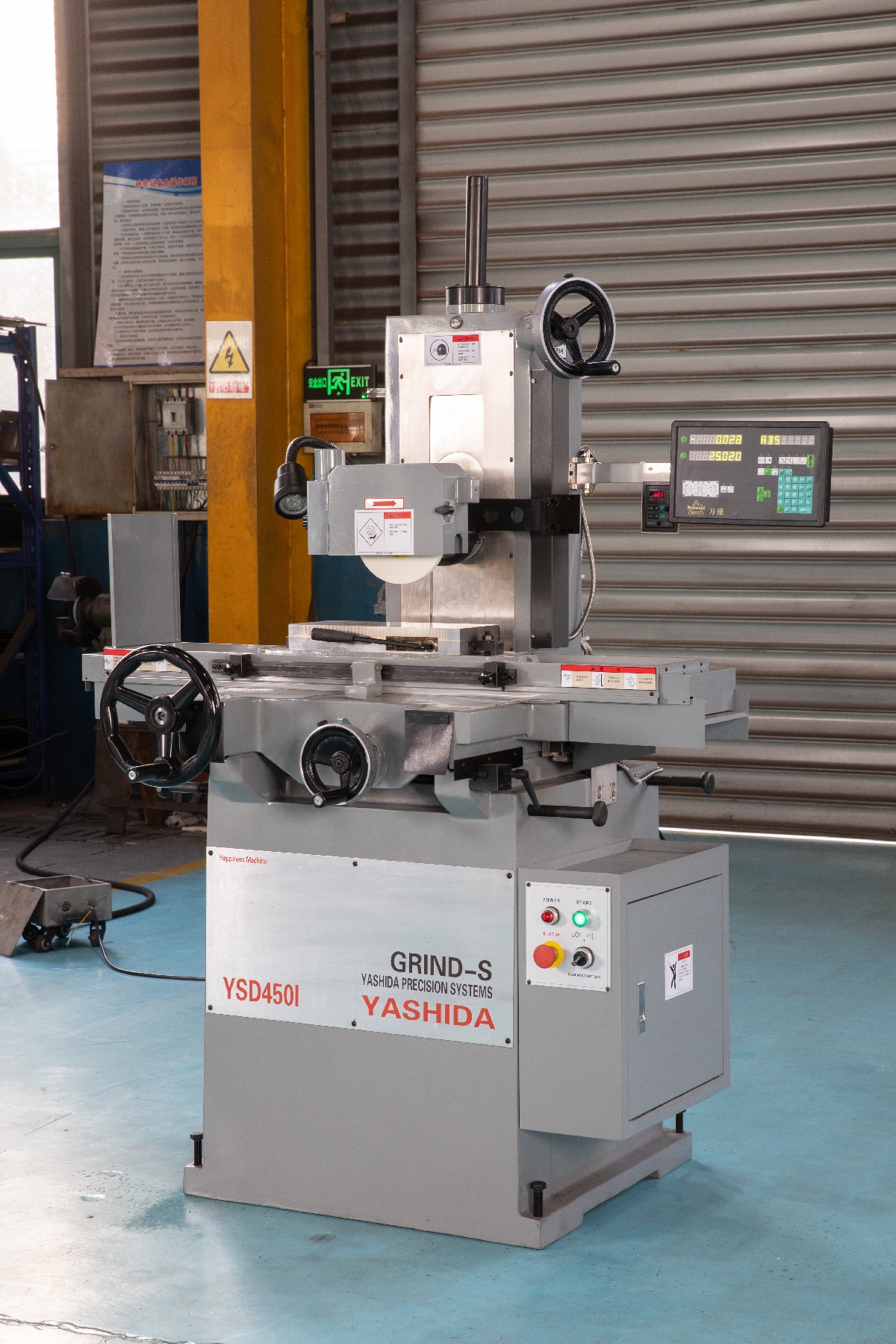
YASHIDA 450I manual surface grinding machine
YASHIDA 510AHD automatic surface grinding machine
YASHIDA 3060APS CNC surface grinding machine
Learn more about Surface Grinding Machines:
How to Perform Mirror grinding on a High-Precision Grinding Machine
How to Control Surface Roughness of High-precision CNC surface grinding machines
The Influence of Temperature on Machining Accuracy of Surface Grinding Machines
This website uses cookies to ensure you get the best experience on our website.
 Español
 Portugues
 Pусский
 العربية



 Phone
Phone
Comment
(0)